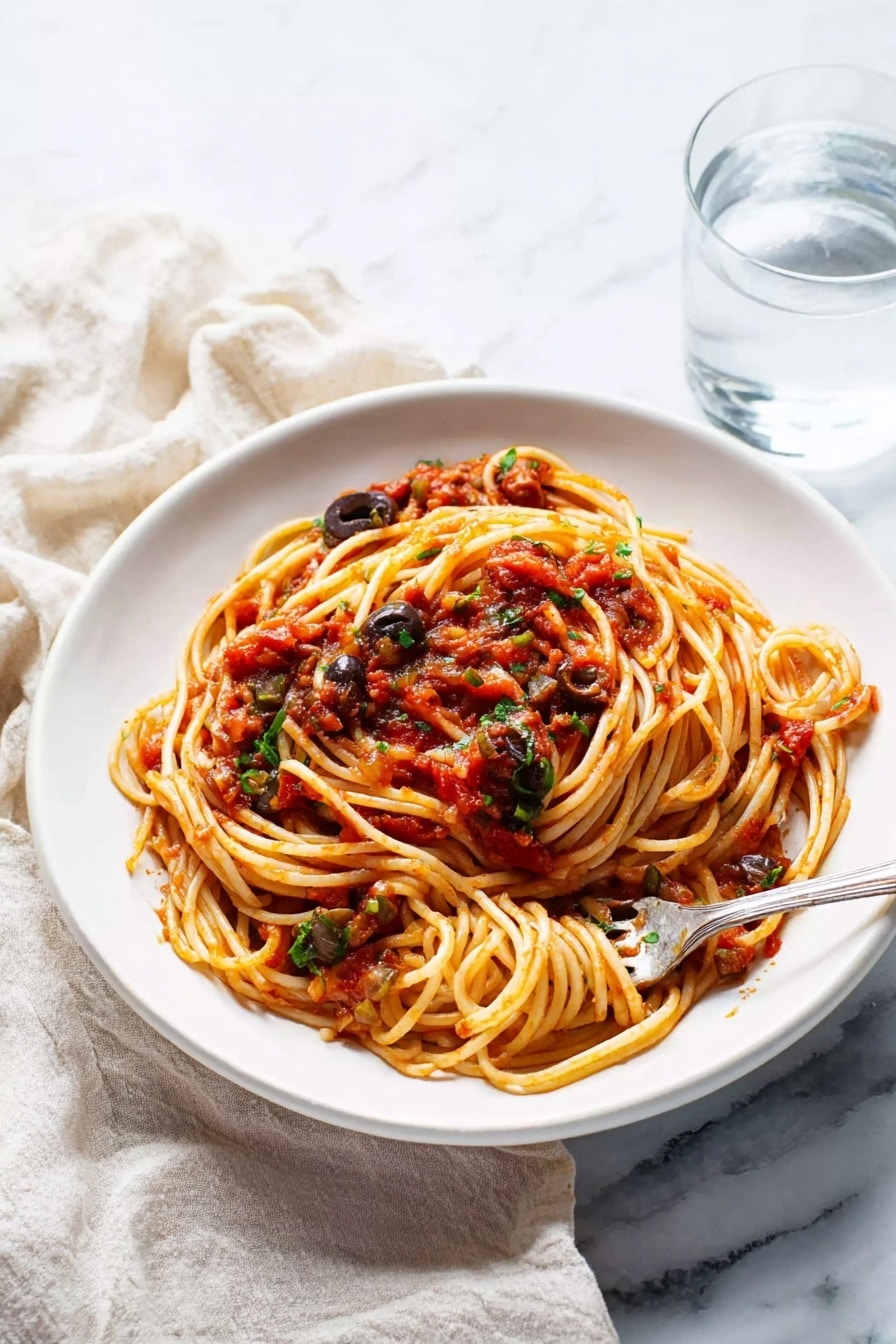
Pantry Pasta Perfection: Bold & Briny Puttanesca in 30 Minutes
Imagine a dish that’s as vibrant and passionate as Southern Italy itself, yet comes together with remarkable speed using ingredients you likely already have on hand. That, in a nutshell, is the magic of
pasta puttanesca. This culinary marvel is more than just a meal; it's a testament to the power of simple, bold flavors combining to create something truly unforgettable. In just 30 minutes, you can transform pantry staples into a rich, savory, and wonderfully briny pasta dish that will transport your taste buds straight to the sun-drenched coasts of Italy. Get ready to master the art of "Pantry Pasta Perfection" with this guide to crafting the ultimate puttanesca.
The Allure of Pasta Puttanesca: A Southern Italian Story
At its heart,
pasta puttanesca is a celebration of the Mediterranean larder. It’s a dish born from necessity and ingenuity, utilizing readily available, shelf-stable ingredients like canned tomatoes, briny olives, tangy capers, pungent garlic, and umami-rich anchovies. The genius lies in how these individual components, each with its strong personality, coalesce into a harmonious symphony of flavor. You get the deep savoriness from the anchovies, a burst of salty tang from the capers and olives, the sweet acidity of ripe tomatoes, and a warming kick from chili flakes, all brought together by fragrant garlic and luscious olive oil.
While the exact origins of this iconic dish are shrouded in charming mystery, most food historians agree it hails from Southern Italy, specifically debated between the regions of Lazio and Campania. The popular (and somewhat scandalous) theory suggests it was a quick, aromatic meal prepared by "ladies of the night" to lure customers with its potent fragrance. Whatever its true genesis, there's no denying its universal appeal. It's a comforting yet sophisticated dish, perfect for a cozy night in or for impressing guests with its robust, authentic Italian taste. For a deeper dive into its fascinating history and regional variations, explore
Puttanesca's Bold Flavors: Origins, Ingredients, and Regional Twists.
Crafting the Perfect Puttanesca Sauce: Essential Ingredients
The beauty of
pasta puttanesca lies in its straightforward, yet incredibly impactful, ingredient list. Quality matters here, as each component contributes significantly to the final profile.
*
Tomatoes: The foundation of any good puttanesca sauce. Opt for high-quality canned peeled tomatoes – San Marzano are often considered the gold standard for their balanced sweetness and low acidity. Crushing them by hand or roughly chopping them ensures a rustic texture that coats the pasta beautifully.
*
Garlic: Abundance is key. Don't be shy with several cloves, thinly sliced or minced. Sautéing them gently until fragrant forms the aromatic base of your sauce.
*
Olives: Black olives are traditional. Gaeta olives are classic, but Kalamata olives offer a fantastic briny depth and meaty texture. Pit them yourself or buy pre-pitted, then roughly chop them.
*
Capers: These little flavor bombs add a delightful burst of tangy, salty brine. Rinse them if they're salt-packed to remove excess sodium, then roughly chop them.
*
Anchovies: This is often the most debated ingredient, but it's crucial for authentic puttanesca. Don't worry about a "fishy" taste; the anchovies melt into the hot olive oil, dissolving to create an incredibly rich, savory, and complex umami foundation without being overtly fishy. They are the secret weapon that elevates the sauce from good to extraordinary.
*
Chili Pepper: A pinch of red pepper flakes adds a gentle warmth and subtle kick, enhancing the other bold flavors without overwhelming them. Adjust to your preferred level of spice.
*
Extra Virgin Olive Oil: As with most Italian cooking, a good quality extra virgin olive oil is indispensable. It's used to sauté the aromatics and forms the luscious body of the sauce.
*
Fresh Parsley: A generous handful of freshly chopped flat-leaf parsley stirred in at the end provides a burst of color and a fresh, herbaceous counterpoint to the rich, briny sauce.
While the Lazio style of puttanesca traditionally includes anchovies, you might encounter regional variations. For instance, in Naples, the local version, affectionately known as "aulive e chiapparielli" (olives and capers), often omits the anchovies entirely. To learn more about these fascinating regional differences, consult
Authentic Pasta Puttanesca: A Bold Southern Italian Classic. My personal take? The anchovies are non-negotiable for that truly authentic, deeply savory character!
Your 30-Minute Path to Pantry Pasta Perfection
One of the greatest appeals of
pasta puttanesca is its incredible speed. With a little organization, you can have a restaurant-quality meal on the table in under half an hour.
Step-by-Step Guide:
1.
Prep Your Ingredients (Mise en Place): This is crucial for speed. Chop your garlic, olives, capers, and anchovies. Open your can of tomatoes. Have your chili flakes and parsley ready.
2.
Boil Pasta Water: Fill a large pot with water, add a generous amount of salt (it should taste like the sea), and bring it to a rolling boil.
3.
Start the Sauce Base: While the water heats, pour a good glug of extra virgin olive oil into a large skillet or sauté pan over medium heat. Add the sliced garlic and red pepper flakes. Sauté gently for 1-2 minutes until fragrant, being careful not to burn the garlic.
4.
Add the Umami: Toss in the chopped anchovies. Stir continuously as they "melt" and dissolve into the hot olive oil, usually taking another 1-2 minutes. This is where the magic happens!
5.
Build the Brine & Tomato Base: Add the chopped olives and capers to the pan, stirring for another minute. Pour in the crushed or chopped canned tomatoes. Bring the sauce to a gentle simmer and let it cook for 10-15 minutes, allowing the flavors to meld and deepen.
6.
Cook the Pasta: Once the sauce is simmering, add your chosen pasta to the boiling water. Cook according to package directions until *al dente* – slightly firm to the bite.
7.
Combine and Finish: Before draining, reserve about a cup of the starchy pasta cooking water. Drain the pasta and immediately add it directly to the simmering puttanesca sauce. Add about a quarter-cup of the reserved pasta water. Toss vigorously with tongs, allowing the pasta to absorb the sauce and the starches from the water to create a beautifully emulsified, glossy coating. Add more pasta water a tablespoon at a time if the sauce seems too thick or dry.
8.
Freshness Factor: Remove from heat, stir in the freshly chopped parsley, and drizzle with a final touch of extra virgin olive oil. Taste and adjust seasoning if needed (the anchovies, olives, and capers contribute a lot of salt, so taste before adding more).
Tips for Success:
*
Don't Rush the Garlic: Burnt garlic is bitter garlic. Keep the heat moderate and sauté gently.
*
Pasta Water is Gold: That starchy water isn't just for boiling; it's essential for achieving a silky, restaurant-quality sauce that clings perfectly to your pasta.
*
Good Ingredients, Great Dish: Since there are so few ingredients, the quality of each really shines through. Invest in good olive oil, canned tomatoes, and olives.
*
Serve Immediately: Pasta puttanesca is best enjoyed fresh from the pan, when the pasta is perfectly al dente and the sauce is vibrant and hot.
*
Choose Your Pasta Wisely: While spaghetti and linguine are traditional choices that allow the sauce to coat each strand, shorter pasta shapes like penne, fusilli, or paccheri also work wonderfully, trapping bits of sauce and ingredients within their nooks and crannies.
Beyond the Basics: Serving & Storing Your Puttanesca
Serving
pasta puttanesca is straightforward because the dish itself is the star. It's often enjoyed as a *primo piatto*, a first course, in a traditional Italian meal. Garnish individual servings with a little extra fresh parsley and perhaps a final drizzle of high-quality extra virgin olive oil. A simple side salad with a light vinaigrette and some crusty bread to sop up any leftover sauce are the perfect accompaniments.
While best enjoyed immediately, you might find yourself with delightful leftovers. If so, store them in an airtight container in the refrigerator for up to one day. To reheat, gently warm the pasta in a skillet over low-medium heat, adding a splash of olive oil and a tablespoon or two of water to help rehydrate the sauce and prevent it from drying out. Avoid microwaving if possible, as it can make the pasta mushy. A practical tip: if you anticipate having leftovers, consider using a shorter pasta shape like penne or fusilli, as they tend to hold up a bit better than spaghetti when reheated. However, it bears repeating: the fresh, vibrant experience of freshly made puttanesca is truly unmatched.
Embrace Your Inner Italian Chef
In a world full of complex recipes,
pasta puttanesca stands out as a beacon of culinary simplicity and bold flavor. It's a dish that proves you don't need a pantry full of exotic ingredients or hours in the kitchen to create something profoundly satisfying and utterly delicious. With its powerful aroma, rich textures, and unforgettable taste, this pantry hero invites you to embrace your inner Italian chef. So gather your staples, set your timer for 30 minutes, and prepare to be transported to the sun-drenched shores of Southern Italy, one forkful of bold, briny perfection at a time.