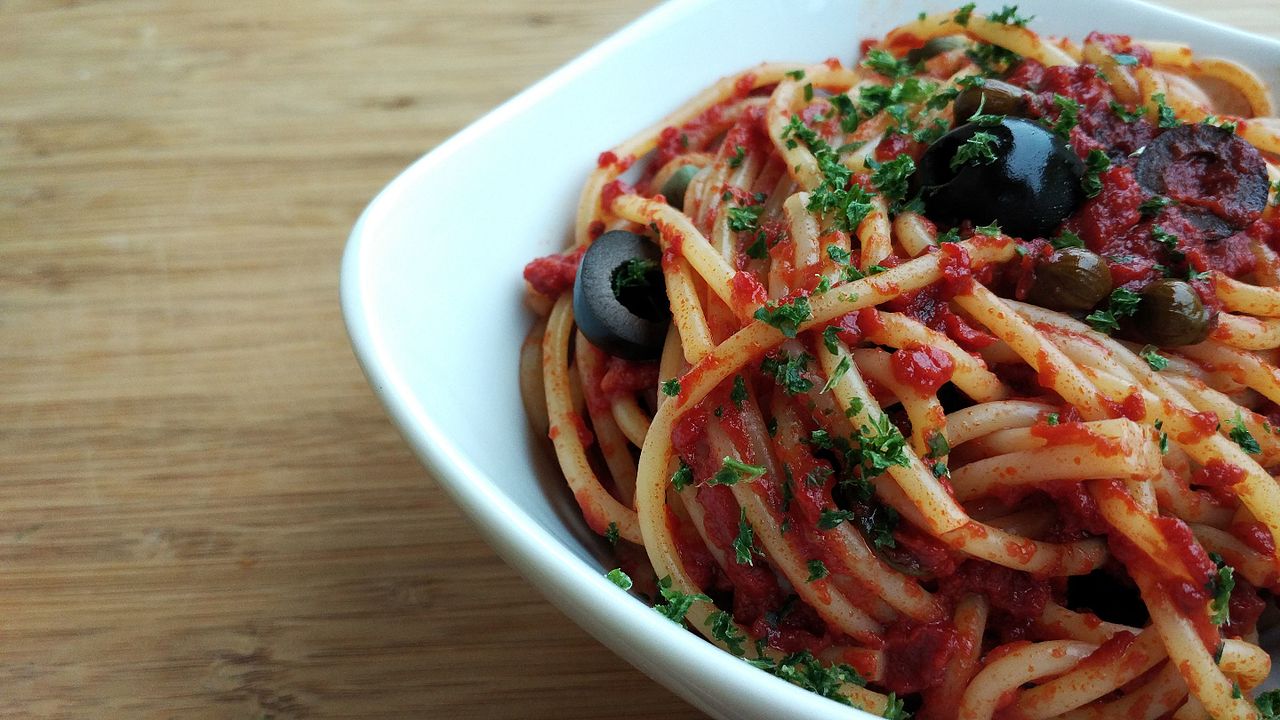
Step into the vibrant world of Italian cuisine, and you’ll inevitably encounter a dish that commands attention with its potent aroma and unforgettable taste: pasta puttanesca. Far from subtle, this Southern Italian classic is a testament to the power of simple, robust ingredients coming together in perfect harmony. Known for its bold, savory, and slightly spicy character, it’s a favorite among pasta lovers worldwide, promising an explosion of Mediterranean flavors with every forkful.
The Allure of Pasta Puttanesca: A Symphony of Savory Flavors
At its heart, pasta puttanesca is a celebration of contrasting yet complementary tastes. Imagine al dente pasta luxuriating in a rich, briny sauce that tantalizes the palate with every bite. The foundation is typically a vibrant tomato base, brightened by pungent garlic. What truly sets puttanesca apart, however, are its signature elements: the saline pop of capers, the earthy fruitiness of olives (traditionally Gaeta black olives), and the deep umami kick of anchovies (though not always present, depending on the regional twist). A touch of chili pepper adds a gentle heat, making the flavors dance on your tongue. This meticulously balanced combination creates a perfect synergy of salty, tangy, and subtly spicy notes, delivering an intensely flavorful experience that feels both rustic and refined.
It's this complexity derived from humble pantry staples that makes pasta puttanesca so beloved. It's not just a meal; it's a sensory journey to the sun-drenched coasts of Southern Italy, providing a satisfying and comforting experience that belies its remarkably quick preparation time. Whether you're seeking a cozy dinner at home or aiming to impress guests with an authentically robust dish, this is a recipe that never disappoints.
Unraveling the Enigma: The Spicy Origins of Puttanesca
The history of pasta puttanesca is as intriguing as its flavor profile, shrouded in various tales, each adding to its mystique. While its exact origins are debated, commonly pinpointed between the regions of Lazio (specifically Rome) and Campania (Naples) in the mid-20th century, the dish's name itself, Sugo alla puttanesca (literally "harlot's sauce"), has fueled much speculation.
One popular, if scandalous, theory suggests that the dish was invented by Neapolitan prostitutes who used its intensely aromatic qualities to lure customers from the streets. The potent scent of garlic, tomatoes, and capers wafting from their kitchens would have been irresistible. Another, perhaps more practical, theory proposes that these women, often working long hours, needed a quick, easy-to-prepare meal made from readily available, non-perishable pantry staples—a "pantry pasta" before the term even existed. The ingredients could be kept on hand without refrigeration, making it ideal for impromptu meals at any time.
Regardless of its colorful nomenclature, what's undeniable is pasta puttanesca's status as a quintessential example of simple, yet intensely flavorful Italian cooking. Much like its cousins, Spaghetti Aglio e Olio and Penne all’Arrabbiata, it showcases how a few core components, when expertly combined, can create a deeply satisfying first course. It’s a dish born out of necessity and ingenuity, a testament to Italian culinary resourcefulness that has stood the test of time.
Mastering the Sauce: Essential Ingredients for Authentic Puttanesca
Crafting the perfect puttanesca sauce hinges on selecting high-quality ingredients and understanding how each contributes to the overall symphony of flavors. This is not a dish for cutting corners; the simplicity demands excellence in every component. Here’s a breakdown of the essentials:
- Peeled Tomatoes: Canned peeled tomatoes are often preferred over fresh, especially outside of peak season, as they offer consistent sweetness and acidity. Look for San Marzano tomatoes for their superior flavor and texture. They form the vibrant base of the sauce.
- Garlic: Lots of it! Fresh garlic, thinly sliced or minced, provides a pungent aromatic foundation. It should be gently sautéed in olive oil until fragrant, not browned.
- Olives: Gaeta black olives are traditionally called for, known for their tender texture and mild, slightly fruity brine. If unavailable, good quality pitted Kalamata or other oil-cured black olives make an excellent substitute, adding essential saltiness and depth.
- Capers: These tiny, pickled flower buds contribute a sharp, briny, and tangy kick that is indispensable. Rinse them gently to remove excess salt, but don't over-rinse, as their saltiness is part of their charm.
- Anchovies: This is where regional variations come into play. In the Lazio-style authentic puttanesca recipe, anchovy fillets are a non-negotiable component. Don't be deterred if you're not an anchovy fan; they melt almost completely into the hot olive oil, dissolving to provide a profound umami richness rather than a fishy taste. In the Neapolitan version, often called "aulive e chiapparielli" (olives and capers), anchovies are traditionally omitted.
- Chili Peppers: Fresh red chili peppers or dried red pepper flakes provide the characteristic, subtle warmth that balances the other bold flavors. Adjust to your preferred level of heat.
- Fresh Parsley: A generous handful of freshly chopped flat-leaf parsley stirred in at the end brightens the dish with a burst of herbaceous freshness and vibrant color.
- Extra Virgin Olive Oil: As with many Italian classics, a high-quality extra virgin olive oil is the foundation for sautéing and finishing, lending its distinctive fruity and peppery notes.
To truly master an authentic pasta puttanesca, understanding the nuances of each ingredient is key. For a deeper dive into crafting this classic, read our guide on Authentic Pasta Puttanesca: A Bold Southern Italian Classic.
Regional Variations and Pasta Pairings
While the core essence of pasta puttanesca remains consistent, its journey across Italy has led to fascinating regional adaptations, primarily influencing the inclusion of anchovies and the choice of pasta.
Lazio vs. Campania: The Anchovy Divide
- Lazio-style Puttanesca: Originating from the region around Rome, this version almost always includes anchovies. The salty, savory fillets are a crucial component, dissolving into the olive oil and garlic base to infuse the sauce with an undeniable depth of umami. This creates a more complex, intensely savory flavor profile that truly defines the Roman take on the dish.
- Neapolitan Puttanesca (Aulive e Chiapparielli): In Naples, the local rendition, affectionately known as "aulive e chiapparielli" (meaning olives and capers in Neapolitan dialect), traditionally omits the anchovies. This results in a slightly brighter, tangier sauce where the flavors of the tomatoes, olives, and capers come to the forefront more distinctly. It’s a wonderful option for those who prefer to avoid anchovies or are looking for a subtly different taste experience.
The Best Pasta for Puttanesca Sauce
The choice of pasta shape is more flexible than some traditional Italian dishes, but certain types excel at catching and holding the chunky, flavorful sauce.
- Long Pastas: Spaghetti or linguine are often considered the traditional choices for spaghetti alla puttanesca. Their long strands are perfect for coiling around the sauce, ensuring every bite is coated in the bold flavors.
- Short Pastas: Other shapes like penne, fusilli, or paccheri also work beautifully. Short, tubular, or spiraled pastas are excellent for scooping up the bits of olives, capers, and garlic, ensuring a satisfying texture and taste in every mouthful. If you anticipate having leftovers, short pasta can sometimes hold up slightly better in storage.
No matter which pasta you choose, the goal is to create a harmonious dish where the pasta serves as a canvas for the vibrant, Mediterranean-inspired sauce.
Tips for the Perfect Puttanesca Experience
Making delicious pasta puttanesca is not only rewarding but also incredibly straightforward. Here are a few tips to ensure your homemade version rivals any restaurant dish:
- Don't Rush the Garlic: Cook the garlic gently in extra virgin olive oil until fragrant, not browned. Burnt garlic will turn bitter and spoil the sauce.
- Embrace the Brine: The capers and olives are key to the dish's salty-tangy profile. While it's good to rinse capers lightly, don't wash away all their brininess.
- Pasta Water is Your Friend: Always reserve a cup or two of the starchy pasta cooking water. Adding a ladleful to your sauce at the end helps emulsify it, creating a richer, glossier texture that clings beautifully to the pasta.
- Toss Vigorously: Once the pasta is drained and added to the sauce, toss it vigorously for a minute or two over medium heat. This allows the pasta to absorb the sauce's flavors and marry everything together.
- Serve Immediately: For the absolute best flavor and texture, enjoy your spaghetti alla puttanesca as soon as it's prepared. The fresh parsley and chili heat are most potent when just combined.
- Leftover Storage: If you do have leftovers, they can be stored in an airtight container in the refrigerator for up to one day. To reheat, gently warm them in a pan with a drizzle of olive oil and a tablespoon or two of water to restore moisture and prevent drying out. As mentioned, short pasta shapes tend to fare slightly better as leftovers than long strands.
The beauty of pasta puttanesca lies in its efficiency. In less than 30 minutes, you can transform simple pantry staples into a gourmet experience. Discover more swift and delicious creations in our article: Pantry Pasta Perfection: Bold & Briny Puttanesca in 30 Minutes.
From its intriguing, debated origins to its universally loved bold Italian flavors, pasta puttanesca stands as a testament to the magic of Italian cuisine. It’s a dish that proves that extraordinary taste can arise from humble ingredients, quick preparation, and a generous dose of Mediterranean flair. Whether you opt for the anchovy-laden Lazio style or the brighter Neapolitan version, preparing this classic at home is a mouth-watering journey you won't regret. So gather your pantry staples, and get ready to experience the robust and unforgettable taste of this beloved Italian masterpiece.
